A walking routine for busy weekdays
Three short walks, one in the morning, one at midday and one after dinner, can turn a crowded weekday into one with steady movement and breathing room.
- Three short walks are easier to schedule than one long one.
- Good shoes and a ready jacket remove common excuses.
- Attach each walk to something already on your calendar.
- Pace should feel comfortable enough to hold a conversation.
The idea: three small walks
If your weekday looks like a game of calendar Tetris, an hour-long walk is a hard sell. Three walks of ten minutes each is a much easier one. You can fit them between meetings, around meals and on the way home, and none of them needs special planning.
Official guidance, like the overview on the CDC physical activity basics page, points out that movement can be spread across the day. That means your short walks still count toward a bigger picture. Think of them as three beads on one string.
Walk one: the morning loop
Before the day gets loud, take a ten-minute loop around your block, a park path or even your building's parking lot. Leave your headphones out for the first few minutes and listen to the neighborhood waking up: birds, sprinklers, the first school bus.
This walk pairs naturally with the habits in our fifteen-minute morning routine. Swap the stretching block for a stroll on days when the weather is lovely.
- Set shoes by the door the night before.
- Pick one fixed loop so you never debate the route.
- Carry a water bottle so you return refreshed.
Walk two: the midday reset
Lunch is the perfect hinge in the day. Eat first, then walk for ten minutes before returning to your desk. Even a lap around the office floor, up a flight of stairs or along a nearby sidewalk gives your afternoon a fresh start.
If you have a phone call that does not require a screen, take it on foot. Many busy adults discover that a walking meeting feels lighter and finishes sooner. Put a recurring reminder on your calendar called simply "lap" and honor it like any other appointment.
Walk three: the evening wander
After dinner, step outside again. This one is for pleasure rather than pace. Wave at neighbors, look at porch lights, notice how the air feels different from the morning. The evening wander also makes a lovely bridge into a quiet night, and it pairs well with the ideas in our screen-free evening routine.
Invite someone along if you can. A partner, a friend or a dog turns a chore into a ritual, and shared walks tend to happen more reliably than solo ones.
Common snags and easy fixes
Every routine hits a few bumps. The trick is to answer them ahead of time so a busy Tuesday does not undo your plan.
- No time: shrink the walk to five minutes. A short loop still keeps the habit alive.
- Hot or cold weather: go early or late, dress in layers, or walk indoors at a mall or gym track.
- Boredom: change the route weekly, or pick an audiobook that only plays on walks.
- Low energy: start slowly and let the first two minutes warm you up before you decide to quit.
For more ideas about everyday activity, the MedlinePlus exercise and physical fitness page collects friendly, plain-language resources. Reward yourself, too: a new playlist, a favorite herbal tea afterward, or a bench with a nice view all make the habit feel like a pleasure rather than a task.
Gear, pace and planning
You do not need much. A pair of comfortable, well-fitting shoes matters most. Add a light layer for cool mornings, a hat for sun, and a small bag for keys and a water bottle. For pace, aim for a rhythm where you could chat comfortably but would not want to sing an opera.
Planning is where most routines succeed or fail, so make it visible:
- Block three tiny slots on your calendar for the week.
- Keep a spare pair of walking shoes at work.
- Track walks with a simple checkmark chart.
- Keep your fluids handy; see our hydration habits for active adults.
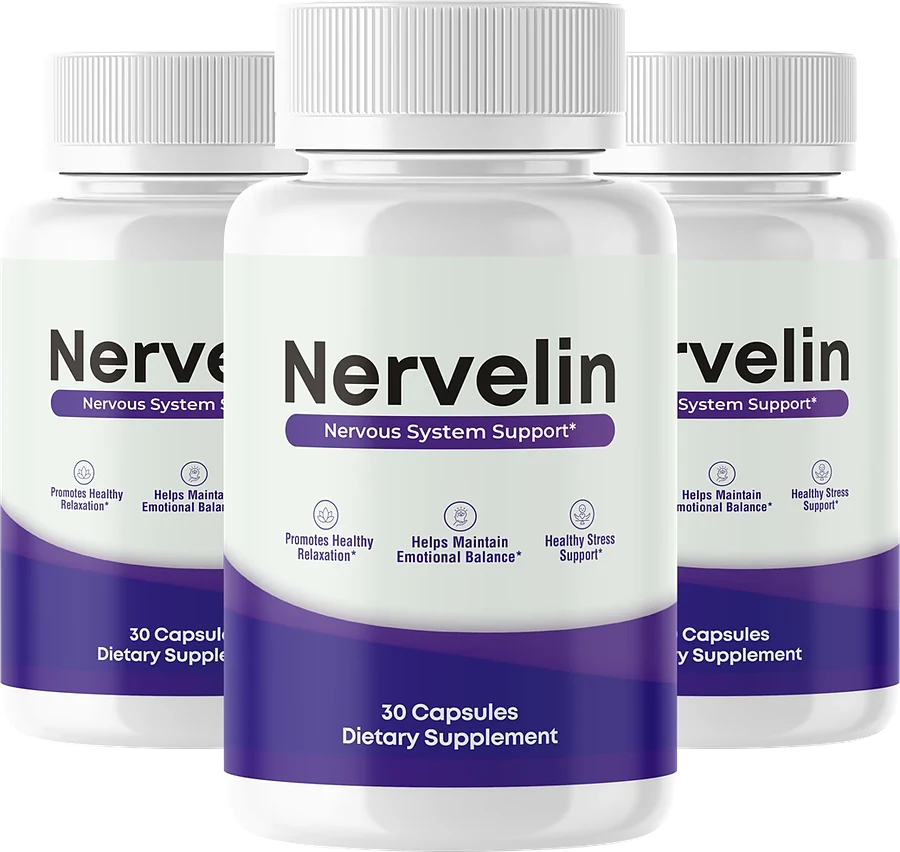
Some people also like pairing a daily wellness routine with their walks. As stated by the brand, Nervelin is a daily capsule for a calm, balanced routine, and the label has directions. Learn more at your own pace.